


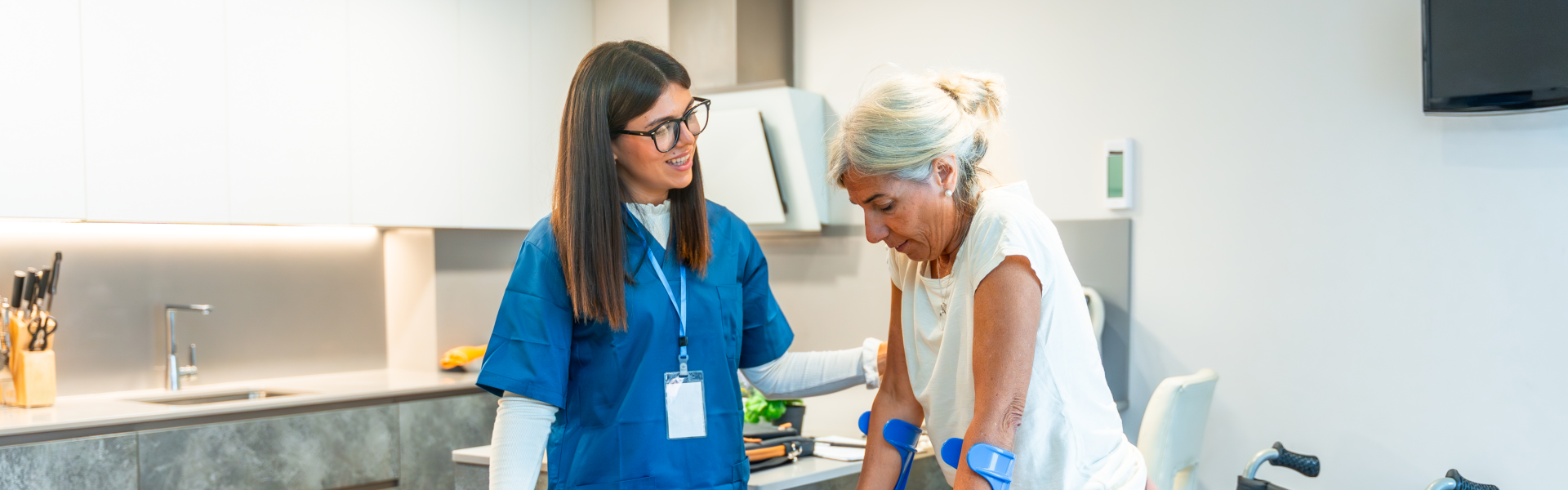
HANDS 2 HELP offers non-medical post surgery care in Detroit, Michigan, for individuals returning home after illness or surgery. We help with appropriate everyday needs while considering each client’s approved care requirements, established routines, and level of independence.
Areas Of Assistance
Daily Routine Help — We assist with appropriate everyday activities during the recovery period.
Personal Assistance — Help is provided according to the client’s approved non-medical care needs.
Household Tasks — We can assist with appropriate household routines as part of in-home care.
Routine Continuity — Assistance can be incorporated into familiar activities while clients recover at home.
A Helping Hand During Recovery
Returning home after an illness or surgery can make familiar daily tasks more challenging. HANDS 2 HELP works with families and referral professionals to help connect individuals with appropriate non-medical home care during their recovery.
Recovery Assistance: What Should You Know?
What does recovery assistance involve, and how can it help someone adjust to being back home? Recovery assistance focuses on appropriate non-medical support that helps individuals manage everyday activities while recovering from illness, surgery, or another health-related event. For those seeking recovery assistance services in Detroit, Michigan, this support can help ease the transition from a healthcare facility to home, particularly when regular routines become more difficult to manage independently. It is important to understand the difference between everyday assistance and medical treatment. Non-medical support may help with daily routines and household responsibilities, while medical decisions, wound care, medication instructions, and rehabilitation remain under the direction of qualified healthcare professionals.
Frequently Asked Questions
How long does recovery at home usually take?
Recovery time varies according to the illness, procedure, individual health, and any complications. A healthcare professional can provide a more appropriate estimate based on the person’s circumstances. Following discharge instructions and attending recommended follow-up appointments can help individuals understand their progress.
What is the difference between non-medical recovery assistance and skilled home health care?
Non-medical recovery assistance focuses on everyday living needs, while skilled home health care involves clinical services provided by qualified healthcare professionals when medically appropriate. Depending on the situation, a person may need one type of support or both. The healthcare team can help determine which services are suitable.
Can someone recover at home if they live alone?
Living alone does not automatically prevent someone from recovering at home. However, the decision depends on their medical condition, mobility, ability to manage essential activities, home environment, and available support. Before discharge, the healthcare team should assess whether the person can return home safely and what additional arrangements may be necessary.
What warning signs should families watch for during recovery?
Warning signs depend on the illness or procedure but may include worsening pain, fever, unusual swelling, increasing weakness, breathing difficulties, or sudden confusion. Families should follow the specific warning-sign instructions provided at discharge and contact a healthcare professional when concerns arise. Severe or sudden symptoms, including significant difficulty breathing or loss of consciousness, require emergency assistance.
When should a person contact their doctor after returning home?
A person should follow the discharge plan for scheduled appointments and contact their healthcare professional if symptoms worsen, new concerns develop, or recovery differs significantly from the expected course. Questions about medication, activity restrictions, wound care, or prescribed exercises should be directed to the appropriate clinician rather than managed through guesswork.
Why are discharge instructions important during recovery?
Discharge instructions explain how to manage the transition home, including medication schedules, activity restrictions, follow-up appointments, and symptoms that require medical attention. Understanding these directions helps patients and families follow the recommended recovery plan. If any instruction is unclear, they should ask the healthcare team for clarification.
What should someone ask their healthcare provider before going home?
Useful questions include which activities are safe, what restrictions apply, how medications should be taken, when follow-up appointments are needed, and which symptoms require urgent attention. Patients should also ask whom to contact outside regular office hours and whether any equipment, home modifications, or additional services are needed before returning home.
Connect With Caring Support
Explore home care support from HANDS 2 HELP for seniors, individuals with disabilities, and those recovering from illness or surgery. Reach out today to discuss appropriate in-home care.
